Rank #2
Master's Degree•Computer Science & AI
MEng in Electrical Engineering and Computer Science
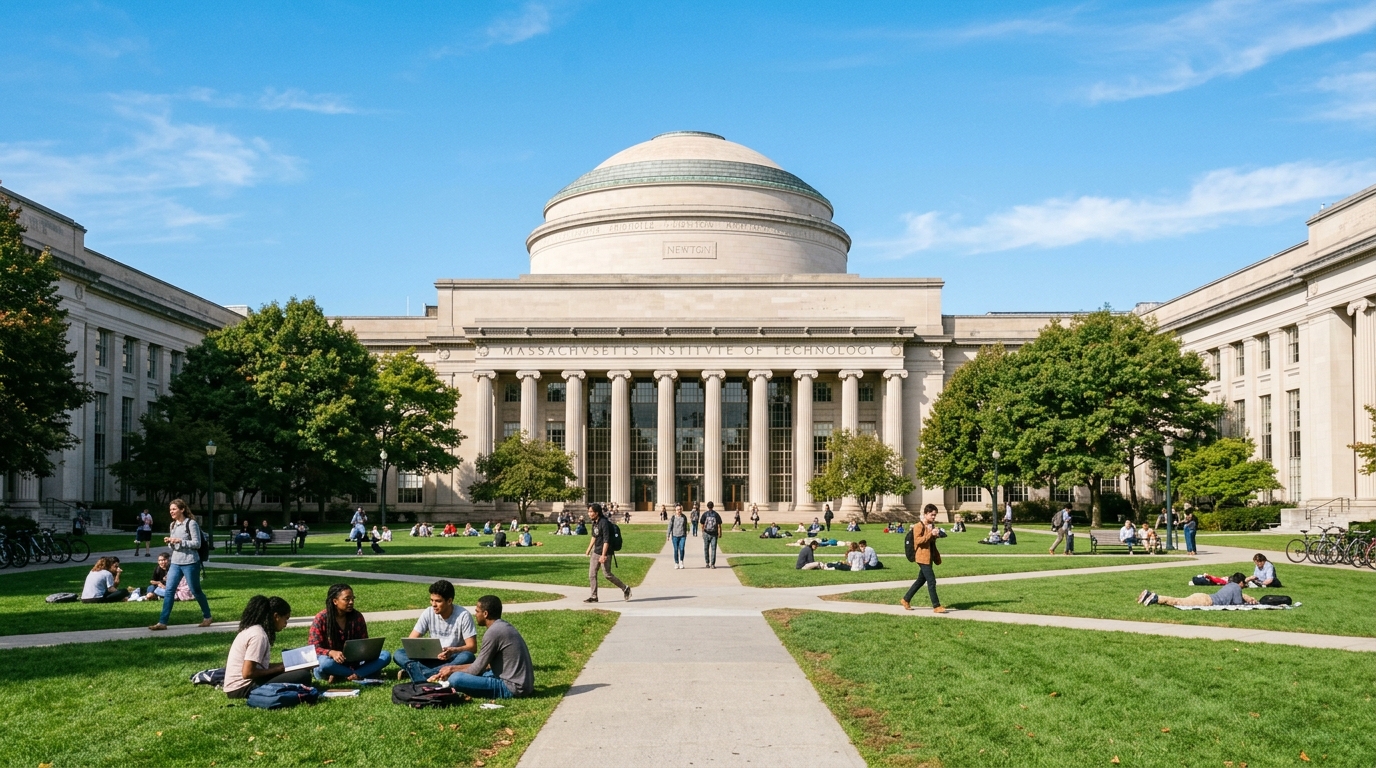
Massachusetts Institute of Technology•Cambridge, MA, United States
Annual Tuition
$59,750 / year
Duration:1 to 2 years•Pace:full-time•Language:English

The world's preeminent higher education ecosystem, boasting unparalleled research funding, expansive campus infrastructure, cutting-edge technology hubs, and flexible interdisciplinary curricula.
Up to 20 hours/week on-campus; CPT for authorized internships
OPT: 12 months, extended up to 36 months for STEM-designated degrees
Connect with our admissions desk to explore visa criteria, blocked account requirements, and public university application deadlines.
Massachusetts Institute of Technology•Cambridge, MA, United States
Everything you need to know about student visas, tuition, living costs, work rights, and admissions in United States.
The Form I-20 ('Certificate of Eligibility for Nonimmigrant Student Status') is an official document issued by a SEVP-certified US university confirming your acceptance and verified financial funding. Once you receive your I-20 and pay the SEVIS I-901 fee, you use it to schedule your F-1 student visa interview at a US Embassy or Consulate. The F-1 visa is the official entry stamp placed in your passport allowing you to enter the United States.
All F-1 graduates are entitled to 12 months of Optional Practical Training (OPT) to work in the US in a role directly related to their major. Furthermore, graduates with STEM-designated degrees (Science, Technology, Engineering, and Math) can apply for an additional 24-month STEM OPT extension, granting a total of 36 months (3 years) of full-time legal work authorization in the US without requiring an H-1B work visa.
International tuition fees vary by institution type: public state universities generally range from $20,000 to $40,000 per year, while private research universities and Ivy League institutions range from $45,000 to $65,000+ per year. Living expenses typically average $1,300 to $2,200 per month depending on location (suburban college towns being significantly more affordable than New York, Boston, or San Francisco).
During your first academic year, F-1 students are permitted to work up to 20 hours per week exclusively on-campus. After completing one full academic year, students can take up off-campus internships and industry placements through Curricular Practical Training (CPT), provided the position is directly related to their field of study and approved by the university's International Student Office.
A large majority of US universities have adopted 'Test-Optional' or 'Test-Blind' policies for undergraduate admissions. For graduate degrees (Master's and PhD), many universities have waived GRE/GMAT requirements or grant waivers based on strong undergraduate GPAs and professional experience. However, submitting strong scores can still enhance your application for competitive STEM programs and merit scholarships.
Yes! Many US universities award merit-based international scholarships upon admission based on your academic record. For graduate students (especially in Master's and PhD programs), universities offer Graduate Assistantships—such as Teaching Assistantships (TA) and Research Assistantships (RA)—which frequently cover 50% to 100% of tuition fees alongside a monthly living stipend.

Have questions about university eligibility, application deadlines, or visas? Submit your enquiry and our admissions team will guide you.