Rank #28
Bachelor's Degree•Computer Science & AI
BSc in Informatics (Computer Science)
Technical University of Munich•Munich, Germany
Annual Tuition
€4,000 / semester
Duration:3 years•Pace:full-time•Language:English, German
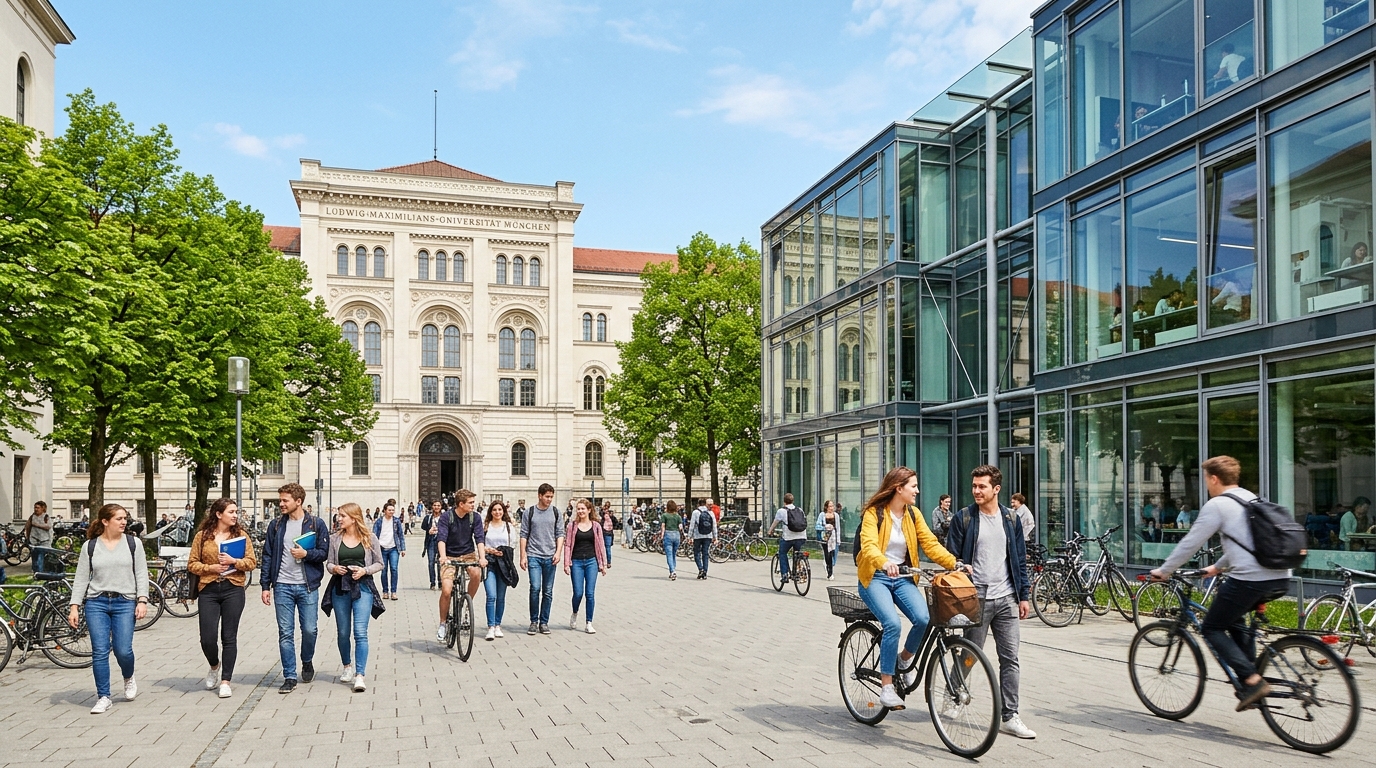
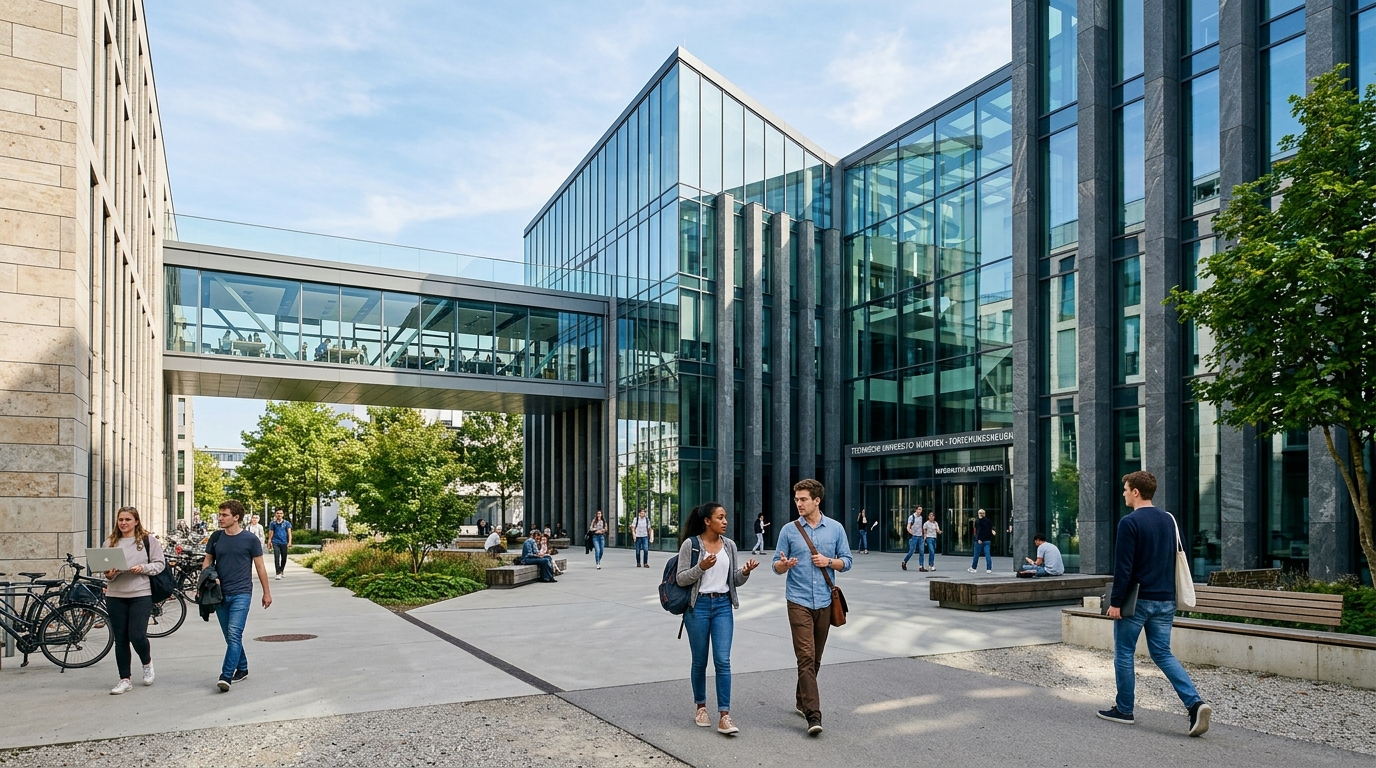
A powerhouse of scientific engineering, industrial innovation, and tuition-free public higher education, attracting world-class technical talent and researchers.
140 full days or 280 half days per calendar year
18-month job seeker permit with fast-track permanent residency
Connect with our admissions desk to explore visa criteria, blocked account requirements, and public university application deadlines.
Technical University of Munich•Munich, Germany
Technical University of Munich•Munich, Germany
Everything you need to know about student visas, tuition, living costs, work rights, and admissions in Germany.
Yes! In almost all of Germany's 16 federal states (with the exception of Baden-Württemberg and select campuses in Bavaria), public universities charge zero tuition fees for all students, including non-EU international students. Students pay only a modest semester administrative contribution ('Semesterbeitrag') of €150 to €350 per semester, which often includes a regional public transit pass (Semesterticket).
A Sperrkonto is a mandatory blocked bank account required by German immigration authorities to ensure you have sufficient funds to support yourself during your studies. Currently, students must deposit approximately €11,208 (set by the German Federal Foreign Office) into the account before visa approval. Once in Germany, you can withdraw a set monthly allowance of approximately €934.
Yes! German universities offer over 1,500 degree programs taught entirely in English, particularly at the Master's and doctoral levels in engineering, computer science, business, data science, and renewable energy. While German is not required for academic admission to English-taught courses, learning conversational German is strongly encouraged for day-to-day life and networking with local employers.
Non-EU international students are legally authorized to work up to 140 full days or 280 half days per calendar year. Working as an academic or student assistant ('HiWi') at your university does not count toward this limit and can be performed without restrictions, providing both valuable campus experience and steady income.
After graduating from an accredited German university, you can extend your residence permit for up to 18 months to seek employment related to your degree. Once you secure a qualifying full-time job offer, you can smoothly transition to a German Skilled Worker permit or an EU Blue Card, which provides a fast-track pathway to German Permanent Residency in as little as 21 to 27 months.
All students enrolled in German higher education must have recognized statutory health insurance (Gesetzliche Krankenversicherung, through providers such as TK, Barmer, or AOK). Statutory student health insurance costs approximately €110 to €125 per month and covers comprehensive medical care, hospital visits, preventative checkups, and prescription medication.

Have questions about university eligibility, application deadlines, or visas? Submit your enquiry and our admissions team will guide you.